

The value of studying abroad goes far beyond textbooks, lectures, and classroom discussions.
It’s a life-changing experience that pushes you out of your comfort zone, teaches you lessons you never anticipated, and shapes your perspective on the world in ways no academic course ever could.
Whether you’re planning your first study abroad adventure or looking back on your own experience, this article explores the immense growth and value that come from studying in another country.
Cultural Immersion: Studying Beyond the Bubble
When you study abroad, you don’t just observe another culture, you live it. The experience can be overwhelming, but it’s in those moments of discomfort and adjustment that you grow the most.
This cultural exposure can take many forms: the country in general, the university’s approach and expectations, as well as experiencing the cultures of other students.
– Experiencing the Country’s Culture Firsthand
Studying abroad often means stepping outside your cultural comfort zone for the very first time. The lifestyle, traditions, and even day-to-day interactions may be completely different from what you’re used to.
For example, for me, studying in Montréal (a French-speaking city in Canada) challenged me to adapt to a culture that was neither entirely European nor fully North American.
The mix of American-looking infrastructure, with European influence and the French language was a fascinating contrast that taught me to embrace unfamiliar situations.

– Adjusting to New Academic Expectations
Academia is not necessarily universal. The way students learn, communicate, and collaborate varies across countries.
In Canada, my university placed a heavy emphasis on independent learning and weekly assignments, which was a stark contrast to the UK’s lecture-driven approach.
This shift forced me to rethink how I studied, managed my time, and worked with others.

Adapting to a new system taught me resilience, flexibility and initiative, skills that have remained invaluable in every part of my life since. It particularly helped as I carried them forward into my final year of study back in the UK.
– Connecting with a Global Student Network
Studying abroad brings together students from around the world, each carrying their unique perspectives, stories, and cultural identities.
These interactions often break down preconceived notions and encourage personal growth.
Meeting people from Asia, South America, and Europe broadened my understanding of global diversity and showed me that even in our differences, we share so much in common.
If you’re preparing to study abroad, make it a goal to connect with people from cultures different from your own. Those friendships, conversations and perspectives will stay with you long after your program ends.

Practical Language Skills: Studying Abroad as the Best Teacher
If you’re studying in a country where a different language is spoken, this is your chance to fully immerse yourself in the language.
- Real-Life Application: Unlike classroom learning, being surrounded by the language forces you to engage in real conversations. This means you’ll pick up slang, idioms, and cultural nuances that you can’t learn from a textbook.
- Building Confidence: Even if you don’t become fluent, your comprehension will improve dramatically. Once you understand more and to a better level, you will feel more confident in replying – even if it’s still not perfectly accurate.
For example, while studying in Montréal, I found Quebecois French to be a completely different experience from Parisian French.
It was daunting at first. But being surrounded by the language daily improved my understanding and my confidence to participate in class and complete group projects that I would never have thought I could contribute to as of my first week.

Personal Growth and Independence: Finding Yourself Studying Abroad
This is perhaps the most profound aspect of studying abroad.
It’s not just about what you learn academically but who you become as a person.
– Discovering Independence
Living in another country, away from your support system, forces you to rely on yourself.
Whether it’s navigating public transport, making friends, or figuring out how to communicate in a new language, you develop problem-solving skills that build self-reliance and resilience.
You also learn to embrace challenges rather than shy away from them.
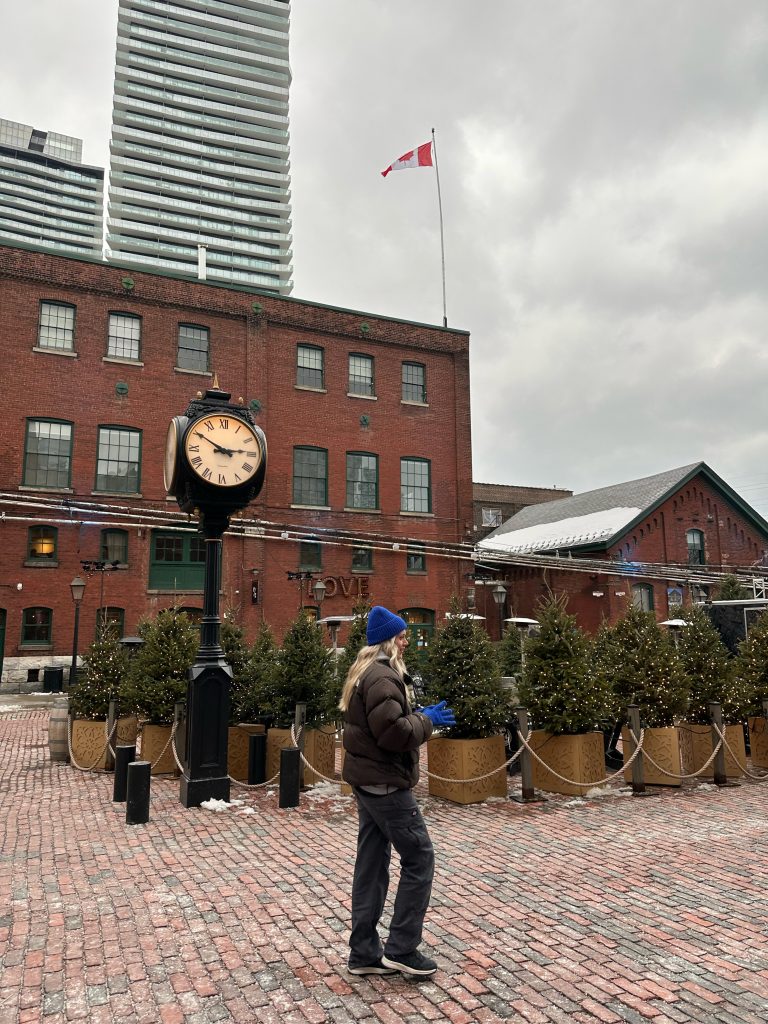
For instance, getting lost in an unfamiliar city becomes an adventure, and language barriers become a chance to connect through nonverbal communication, and there are endless solo date options.
– Redefining Who You Are
Studying abroad gives you a blank slate to figure out who you are outside of your usual environment.
You’re free to shed the expectations and routines of home and rediscover what truly matters to you.
This opportunity for self-reflection often leads to profound personal growth and a clearer understanding of your values, goals, and priorities.
The experience of adapting to an unfamiliar environment also teaches you patience and flexibility.
You learn to appreciate the differences in people and cultures while finding strength in your ability to adapt and thrive.
Global Networking: Connections That Span Borders
One of the most overlooked benefits of studying abroad is the opportunity to build a global network.
- Friendships Across Cultures: The bonds you form with people from different parts of the world can last a lifetime. But, even if these connections don’t endure, the impact they have on your perspective is immeasurable.
- Professional Opportunities: Exposure to international students and educators can also open doors to future collaborations and career paths you might not have considered.
Studying abroad gives you unique insight into how people from different countries approach work, relationships, and problem-solving, which is an invaluable skill in today’s globalised world.
Witnessing Global Issues in Real Time
Being abroad during major global events offers you a firsthand perspective that no news article or documentary can replicate.
– Engaging in Global Conversations
Whether it’s discussing politics, social movements, or environmental challenges with local residents, you gain a deeper understanding of the issues that shape different parts of the world.
During my time abroad, I had countless conversations about Brexit, the monarchy, and other topics that sparked my peers’ curiosity.
And similarly, I got to discuss the widespread strikes in France with my Parisian housemate, and Finland’s general election with my Finnish friends – things I would never have had direct insight into within my normal environment.
These discussions helped me see my own country from an outsider’s perspective and broadening my understanding of both foreign affairs and global interconnectivity.
– Developing Empathy and Awareness
Talking to people who are directly affected by global issues builds empathy and expands your worldview.
It’s an eye-opening experience to see how different countries tackle shared challenges and how deeply interconnected our lives are.
Conclusion
Studying abroad is more than an academic opportunity. It’s a transformative journey that pushes you to grow in ways you never imagined.
It teaches you to embrace discomfort, adapt to new challenges, and gives you some serious perspective.
If you’re considering studying abroad, don’t hesitate; take the leap!
Step out of the classroom, and into the world: that’s where the real learning happens.
Leave a Reply